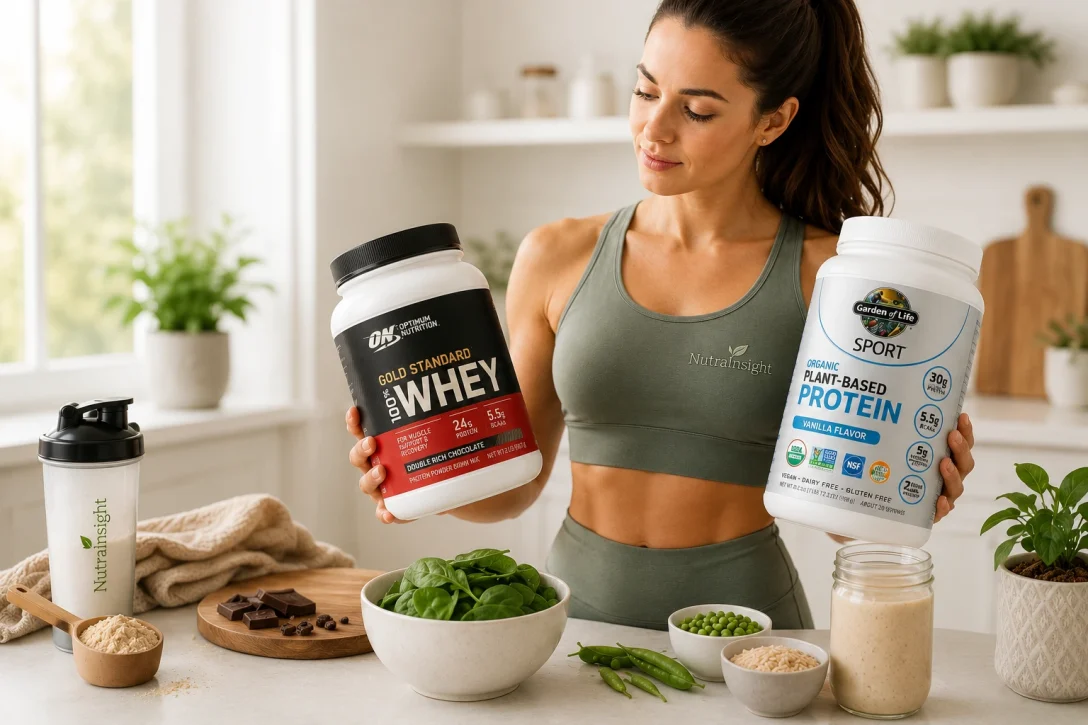

Whey protein vs plant protein is one of the most common comparisons people make when choosing a protein supplement. While whey has long been considered the gold standard for muscle growth, plant protein has improved dramatically in recent years. This guide compares whey protein vs plant protein for muscle building, weight loss, nutrition, digestion, and overall health to help you choose the right option.
For years, whey protein was considered the gold standard because it’s a complete protein, naturally rich in leucine, and highly digestible. However, modern plant protein blends have closed the gap considerably. High-quality formulas combining pea, rice, soy, or other plant proteins now provide a complete amino acid profile capable of supporting muscle growth comparable to whey when consumed in adequate amounts.
Whether your goal is gaining muscle, losing weight, improving recovery, or simply finding a protein powder that fits your lifestyle, understanding the differences between whey and plant protein will help you make an informed decision.
In this guide, we’ll compare whey protein and plant protein across nutrition, muscle-building potential, digestibility, health benefits, and more to help you decide which option is right for you.
You may also want to learn how much protein powder you should take each day and how to mix protein powder properly to get the best results.
Whey Protein vs Plant Protein: Quick Comparison
| Feature | Whey Protein | Plant Protein |
|---|---|---|
| Source | Cow’s milk | Pea, soy, rice, hemp, pumpkin seed and other plants |
| Complete Protein | ✅ Yes | Usually (if blended or soy-based) |
| Leucine Content | Higher | Slightly lower |
| Muscle Growth | Excellent | Excellent with adequate intake |
| Digestibility | Very high | Good to very good |
| Lactose-Free | Usually no (except many isolates) | Yes |
| Vegan-Friendly | No | Yes |
| Calories | Usually lower | Varies by blend |
| Best For | Muscle gain, recovery | Dairy-free, vegan, sustainability |
Bottom line: Whey protein offers a slight advantage for maximizing muscle protein synthesis, while plant protein provides similar long-term results for most people when total protein intake is sufficient.
What Is Whey Protein?
Whey protein is a high-quality protein extracted from milk during the cheese-making process. After separation, the liquid whey is filtered, dried, and turned into the protein powder found in shakes and supplements.
Because whey contains all nine essential amino acids and is particularly rich in leucine, it’s considered one of the most effective proteins for stimulating muscle protein synthesis after exercise.
There are three common forms of whey protein:
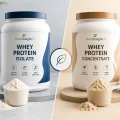
- Whey concentrate: Contains 70–80% protein with small amounts of fat and lactose.
- Whey isolate: Filtered to remove most fat and lactose, providing around 90% or more protein.
- Whey hydrolysate: Pre-digested for faster absorption and commonly used in clinical nutrition and sports supplements.
Whey protein is especially popular among athletes, bodybuilders, and active individuals because it mixes easily, tastes creamy, and delivers a high amount of protein in a relatively small serving.
What Is Plant Protein?
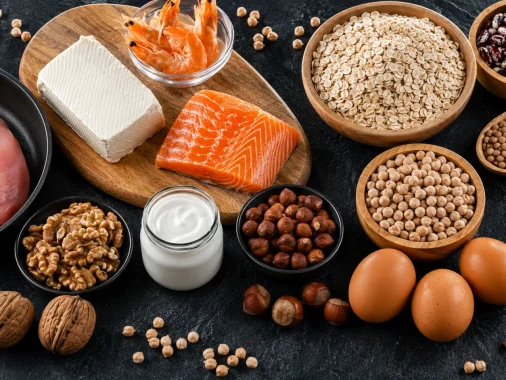
Plant protein powders are made by extracting protein from sources such as peas, soybeans, brown rice, hemp seeds, pumpkin seeds, or fava beans.
Unlike whey, a single plant source may not naturally contain optimal amounts of every essential amino acid. For this reason, many manufacturers combine multiple plant proteins to create a more complete amino acid profile.
For example, pea protein is relatively low in methionine, while rice protein contains more methionine but less lysine. When combined, they complement each other and provide a protein quality much closer to whey.
Plant protein powders are naturally dairy-free, lactose-free, and suitable for vegans and vegetarians. Many also provide additional nutrients such as fiber, iron, magnesium, and antioxidants that aren’t typically found in whey protein.
Today’s premium plant protein blends offer improved taste, smoother texture, and protein content comparable to whey, making them an excellent option for anyone avoiding dairy or animal products.
Nutrition Comparison of Whey Protein Vs Plant Protein
Both whey and plant protein powders can provide 20–30 grams of protein per serving, but they differ slightly in amino acid profile, digestibility, and additional nutrients.
Protein Quality
Whey protein is considered a complete protein, meaning it naturally contains all nine essential amino acids your body cannot produce on its own. It also contains more leucine than most plant proteins, making it highly effective for stimulating muscle protein synthesis.
Plant proteins vary depending on their source. Soy protein is naturally complete, while pea, rice, and hemp proteins each have minor amino acid limitations. Fortunately, many modern plant protein powders combine multiple sources to create a complete amino acid profile.
Digestibility
Whey protein has a very high digestibility and is absorbed quickly after exercise.
Plant proteins digest slightly slower because they naturally contain fiber and plant compounds. However, high-quality plant protein isolates have significantly improved digestibility compared to older formulations.
Additional Nutrients
Plant protein powders often contain naturally occurring nutrients such as:
- Iron
- Magnesium
- Potassium
- Fiber
- Antioxidants
Whey protein generally contains more calcium and naturally occurring dairy peptides but little to no fiber.
Winner: Draw. Whey offers slightly superior protein quality, while plant protein provides additional micronutrients and fiber.
Whey Protein vs Plant Protein for Muscle Growth
For maximizing muscle growth, whey protein still holds a slight advantage.
Its higher leucine content and rapid digestion trigger muscle protein synthesis efficiently after resistance training. Numerous studies have shown whey protein effectively supports muscle gain when combined with strength training.
Why Leucine Matters for Muscle Growth
One reason whey protein has long been considered the gold standard is its naturally high leucine content. Leucine is one of the three branched-chain amino acids (BCAAs) and plays a key role in stimulating muscle protein synthesis, the process your body uses to repair and build muscle after resistance training. Research has shown that leucine acts as a signaling molecule that activates the mTOR pathway, which helps initiate muscle protein synthesis. Nutrient Regulation of Muscle Protein Synthesis in Humans (Journal of Applied Physiology).
A typical serving of whey protein provides around 2.5–3 grams of leucine, enough to maximize muscle protein synthesis in many healthy adults after exercise. While individual plant proteins often contain less leucine, high-quality blends—such as pea and brown rice protein—can provide a comparable amino acid profile when consumed in slightly larger servings.
Research now suggests that total daily protein intake is far more important than the protein source itself. When people consume enough protein throughout the day, high-quality plant protein blends can produce similar improvements in muscle size and strength.
If you’re using plant protein, aim for:
- 25–35 grams per serving
- Blends containing pea and rice protein
- Products with at least 2–3 grams of leucine per serving
For recreational lifters and most active adults, either option can help build muscle effectively.
Winner: Whey protein by a small margin.
Whey Protein vs Plant Protein for Weight Loss?
Both whey and plant protein can support weight loss by increasing satiety, preserving lean muscle during a calorie deficit, and reducing overall calorie intake.
Whey protein is often slightly lower in carbohydrates and fat, making it easier to fit into calorie-controlled diets.
Plant protein may provide an additional benefit because many formulas contain dietary fiber, which slows digestion and helps you feel full longer.
Regardless of which you choose, protein works best for weight management when paired with:
- Resistance training
- A balanced calorie deficit
- Whole-food meals throughout the day
The best protein powder for weight loss is ultimately the one you’ll consistently use.
Whether you choose whey or plant protein, selecting the right product is equally important. Read our guide to the best protein shake for weight loss for our top recommendations
Digestion & Absorption
Digestibility is one of the biggest differences between whey and plant protein.
Whey protein is rapidly absorbed, making it a popular post-workout choice. Most healthy adults digest whey without difficulty.
However, whey concentrate contains lactose, which may cause bloating, gas, or stomach discomfort in people with lactose intolerance. Whey isolate removes most of the lactose and is often better tolerated.
Plant protein is naturally lactose-free, making it an excellent choice for people with dairy sensitivities or those following vegan diets.
Some users experience mild bloating from pea or soy protein initially, but choosing a high-quality isolate and gradually increasing intake often improves tolerance.
If digestive comfort is your priority, plant protein or whey isolate are typically the best options.
f you’re lactose intolerant or sensitive to dairy, you may prefer one of the best dairy-free protein drinks.
Health Benefits Beyond Muscle
Protein powders do much more than support workouts.
Meeting your daily protein needs helps:
- Preserve muscle as you age
- Support healthy bones
- Promote recovery after exercise
- Increase fullness between meals
- Support healthy metabolism
Plant protein may offer additional long-term health benefits due to naturally occurring antioxidants and phytonutrients found in plants.
Whey protein has also been studied for its potential role in immune function because it contains bioactive compounds naturally found in milk.
For overall health, the differences are relatively small. The most important factor is choosing a protein powder that fits your dietary preferences and helps you consistently meet your protein goals.
Whey Protein Pros & Cons
Pros
✔ Complete protein with all essential amino acids
✔ Naturally high in leucine
✔ Fast digestion and absorption
✔ Excellent for post-workout recovery
✔ Usually smooth texture and mild flavor
Cons
✘ Not suitable for vegans
✘ May cause digestive issues for people with lactose intolerance
✘ Less environmentally sustainable than plant-based options
Plant Protein Pros & Cons
Pros
✔ Dairy-free and lactose-free
✔ Suitable for vegans and vegetarians
✔ Often contains fiber and beneficial micronutrients
✔ Lower environmental impact
✔ Great option for people with dairy allergies
Cons
✘ Some single-source proteins have lower leucine levels
✘ Texture may be slightly grainier
✘ Flavor varies more between brands
Who Should Choose Whey Protein?
Whey protein is an excellent choice if you:
- Want to maximize muscle growth
- Recover quickly after workouts
- Can tolerate dairy
- Prefer a smooth texture and creamy taste
- Want the highest-quality protein per serving
If lactose is a concern, consider a whey isolate instead of whey concentrate.
Whey protein is especially popular among people looking to build muscle and recover faster after training. You may also find our guide on drinking a protein shake before bed helpful.
Who Should Choose Plant Protein?
Plant protein is ideal if you:
- Follow a vegan or vegetarian diet
- Have lactose intolerance or a milk allergy
- Prefer environmentally sustainable products
- Want additional fiber and plant nutrients
- Need a dairy-free protein supplement
Choose a blended formula containing pea and rice protein for the best amino acid profile. Plant protein can also be an excellent choice for women looking to increase protein intake. Learn more about the benefits of protein shakes for females.
How to Choose the Right Protein Powder
The best protein powder isn’t necessarily the one with the highest protein content—it’s the one that matches your goals, dietary needs, and lifestyle.
For Muscle Gain
If your primary goal is building muscle, look for a protein powder that provides at least 20–30 grams of protein per serving and contains plenty of leucine, the amino acid that plays a key role in muscle protein synthesis. Whey protein naturally contains more leucine, but high-quality plant protein blends made from pea and rice protein can also support muscle growth when consumed as part of a protein-rich diet.
For Weight Loss
When losing weight, prioritize protein powders that are high in protein but low in added sugars and unnecessary calories. Protein helps increase fullness, preserve lean muscle during a calorie deficit, and makes it easier to meet your daily protein goals.
For Dairy-Free or Vegan Diets
If you have lactose intolerance, a milk allergy, or follow a vegan lifestyle, choose a plant-based protein powder. Look for blends that combine multiple protein sources—such as pea and brown rice—to provide a complete amino acid profile.
If you’re looking for convenient ready-to-drink options, check out our guide to the Best Dairy-Free Protein Shakes.
Read the Ingredient List
Not all protein powders are created equal. Before buying, check for:
- At least 20 grams of protein per serving
- Minimal added sugars
- No unnecessary fillers or artificial ingredients
- Third-party testing from organizations like NSF Certified for Sport or Informed Choice
Finally, remember that supplements are designed to complement a balanced diet—not replace whole-food sources of protein. Whether you choose whey or plant protein, consistency with your overall nutrition and training will have the biggest impact on your results.
Frequently Asked Questions
Is plant protein as effective as whey protein?
Yes. When total daily protein intake is adequate, high-quality plant protein blends can support muscle growth similarly to whey protein for most people.
Does whey protein build muscle faster?
Whey protein stimulates muscle protein synthesis slightly more efficiently due to its higher leucine content and rapid digestion. However, long-term differences are relatively small when protein intake is sufficient.
Is whey protein bad for lactose intolerance?
Whey concentrate may cause digestive discomfort because it contains lactose. Whey isolate contains very little lactose and is often better tolerated.
Can you build muscle using only plant protein?
Absolutely. Many athletes successfully build muscle using plant protein by consuming enough total protein and choosing complete protein blends.
Which protein is healthier?
Neither is universally healthier. Whey provides exceptional protein quality, while plant protein offers additional fiber and plant-based nutrients. The healthier choice depends on your individual needs and dietary preferences.
Final Verdict
When comparing whey protein vs plant protein, there’s no single winner for everyone.
If your goal is maximizing muscle growth and recovery, whey protein offers a slight edge thanks to its amino acid profile and rapid absorption.
If you follow a vegan lifestyle, have lactose intolerance, or simply prefer dairy-free nutrition, modern plant protein blends are an excellent alternative that can deliver comparable long-term results.
Ultimately, the best protein powder is the one you’ll use consistently while meeting your daily protein needs.