
Introduction to Protein Nutrition
Protein is one of the most talked-about nutrients in health and fitness, yet it remains one of the most misunderstood. From athletes building muscle to busy professionals balancing work and family, millions of people want to know how to meet their daily protein needs. Unfortunately, conflicting advice about how much protein to eat, the best sources, and the ideal timing often creates confusion.
According to the Harvard T.H. Chan School of Public Health’s Nutrition Source, protein is a fundamental building block of the body, helping form muscles, bones, cartilage, skin, blood, enzymes, and hormones. Because protein supports countless essential functions, understanding the science behind it is key to making informed nutrition choices, improving overall health, and separating evidence-based facts from common myths.
Why Protein Is Essential
Protein is much more than a nutrient associated with bodybuilding—it is an essential macronutrient required for the growth, repair, and maintenance of virtually every cell and tissue in the body. Proteins are composed of 20 amino acids, nine of which are classified as essential amino acids because they must be obtained through the diet.
These amino acids are used to build and repair muscles, produce enzymes and hormones, support immune function, and transport oxygen throughout the body. For example, hemoglobin, the protein responsible for carrying oxygen in red blood cells, is essential for delivering oxygen to tissues and organs. Because protein is involved in countless biological processes, maintaining an adequate intake is fundamental to overall health and physical performance. (Source: Harvard T.H. Chan School of Public Health and MedlinePlus.)
What You’ll Learn in This Guide
This comprehensive guide will distill the latest science on protein nutrition into practical advice. You’ll learn exactly what protein is, why it matters for health and performance, and how to calculate and meet your personal protein needs. Along the way we’ll explain concepts like complete vs incomplete proteins, compare animal and plant sources (e.g. whey vs plant protein), and offer evidence-based guidelines for different lifestyles (from high-protein weight loss to aging gracefully). We’ll also link to our in-depth articles on related topics — for example, check out our guide to the Best Protein Shake for Weight Loss or compare Protein Shakes vs Meal Replacement Shakes for convenience. By the end, you’ll have an encyclopedic understanding of protein’s role in the diet and clear, evidence-backed strategies for reaching your goals.
What Is Protein?
Protein is one of the three macronutrients, alongside carbohydrates and fats, but its role is unique. Rather than serving primarily as an energy source, protein provides the building blocks your body needs to grow, repair, and maintain tissues. Every organ, muscle, and cell depends on protein to function properly.
Proteins are long chains of amino acids. Think of amino acids as the “letters” and proteins as the “words” they form. Different combinations of amino acids create proteins with unique structures and functions. According to the Cleveland Clinic, proteins perform thousands of essential roles throughout the body. Structural proteins such as collagen and keratin provide strength to the skin, bones, hair, and connective tissues, while enzymes—also proteins—drive the chemical reactions involved in digestion, metabolism, and countless other biological processes.
Essential Amino Acids
Of the 20 amino acids used to build proteins, nine are classified as essential amino acids because the body cannot produce them on its own. These include histidine, isoleucine, leucine, lysine, methionine, phenylalanine, threonine, tryptophan, and valine. They must be obtained through food.
Unlike carbohydrates and fat, the body has no long-term storage system for amino acids. This means you need a regular dietary supply to support muscle repair, immune function, hormone production, and other vital processes.
According to the Harvard T.H. Chan School of Public Health, most animal-based foods—including meat, fish, eggs, and dairy—contain all nine essential amino acids and are considered complete proteins. Many plant foods are naturally lower in one or more essential amino acids, although combining a variety of plant proteins or choosing complete plant sources such as soy, quinoa, and chia seeds can provide all the amino acids your body needs.
Learn more: Understanding Complete Proteins: A Comprehensive Guide
How Protein Works in the Body
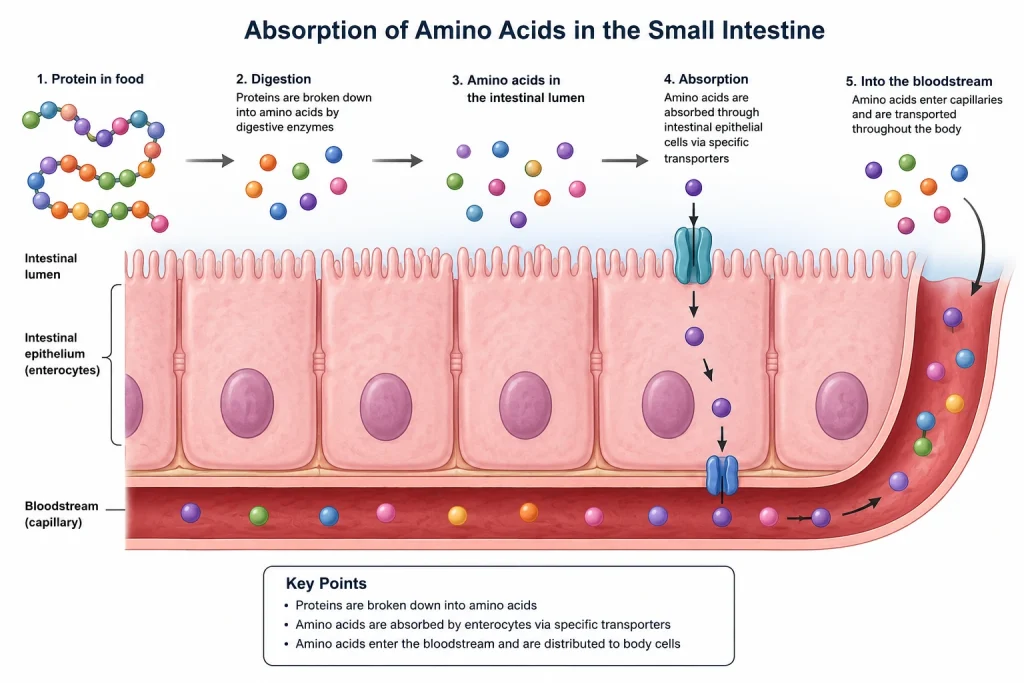
When you eat protein-rich foods or consume a protein supplement, your digestive system breaks the protein down into individual amino acids. These amino acids are absorbed into the bloodstream and transported throughout the body, where they are reassembled into the specific proteins needed for growth, repair, and maintenance.
For example, amino acids help build actin and myosin, the proteins responsible for muscle contraction. They also form collagen, which supports healthy skin, bones, tendons, and joints, keratin, which strengthens hair and nails, and antibodies, which help the immune system recognize and fight infections.
Because proteins are involved in nearly every biological process, consuming enough high-quality protein each day is essential for maintaining overall health, supporting recovery, and enabling the body to function at its best.
Why Protein Matters
Protein contributes to virtually every function in the body. While it’s widely recognized for supporting muscle growth, protein also plays essential roles in tissue repair, immune defense, hormone production, nutrient transport, and overall health. Understanding what makes a complete protein can also help you choose foods that provide all the essential amino acids your body needs. Matter of fact choosing high-protein breakfast ideas can make it easier to meet your daily protein target from the beginning of the day.
1. Protein Builds and Repairs Body Tissues
Protein is critical for muscle recovery and growth after exercise. During resistance training, muscle fibers experience microscopic damage. Dietary protein provides the amino acids needed to repair this damage and stimulate muscle protein synthesis, resulting in stronger muscles over time.
This process is important for people of all ages. Older adults, in particular, require adequate protein to help slow the age-related loss of muscle mass (sarcopenia). Harvard Health recommends that many adults over age 50 consume around 1.0 g of protein per kilogram of body weight daily to better preserve muscle mass.
2. Protein Provides Structural Support
Many of the body’s structural components are made from protein.
- Collagen provides strength and flexibility to skin, bones, tendons, ligaments, and cartilage. If you’d like to learn more about collagen’s role in the body and whether collagen supplements are worth considering, read our Herbalife Collagen review
- Keratin forms hair, nails, and the outer layer of skin.
Protein also contributes significantly to bone structure by creating the framework upon which minerals are deposited. Without adequate protein intake, skin may lose elasticity, wounds can heal more slowly, and hair and nails may become weaker.
3. Protein Produces Enzymes and Hormones
Thousands of enzymes that control digestion, metabolism, and cellular reactions are proteins. Without these enzymes, the body could not efficiently convert food into energy or carry out countless biochemical processes.
Many hormones are also proteins. For example, insulin helps regulate blood sugar, while other protein hormones influence growth, appetite, metabolism, and tissue repair.
4. Protein Supports the Immune System
The immune system depends on protein to produce antibodies that identify and neutralize bacteria, viruses, and other harmful microorganisms.
When protein intake is consistently too low, the body’s ability to fight infections may decline because fewer immune proteins can be produced. Severe protein deficiency has been linked to impaired immune function and increased susceptibility to illness.
5. Protein Transports Oxygen and Nutrients
Several important proteins act as transport molecules throughout the body.
- Hemoglobin carries oxygen from the lungs to tissues.
- Albumin transports hormones, vitamins, fatty acids, medications, and other nutrients through the bloodstream.
These transport proteins ensure that cells receive the substances they need to function properly.
6. Protein Promotes Healthy Hair, Skin, and Nails
Hair, skin, and nails rely heavily on structural proteins such as keratin and collagen for strength, growth, and resilience. Consuming enough protein helps support healthy skin, stronger nails, and normal hair growth by providing the amino acids needed to produce these structural proteins.
A lack of protein may contribute to brittle nails, hair thinning, dry skin, and slower wound healing over time. If you’re looking to improve hair health through nutrition, explore our guide on the best protein treatments for healthy hair, which explains how dietary protein and targeted treatments can help strengthen damaged hair and support healthy growth
7. Protein Supports Growth Throughout Life
Protein is essential during every stage of life.
Children require protein for normal growth and development, while pregnant women need additional protein to support fetal development and maternal tissue growth. Following illness, injury, or surgery, higher protein intake helps rebuild damaged tissues and supports recovery.
Older adults also benefit from adequate protein intake to maintain muscle strength, mobility, and independence.
8. Protein Can Help With Weight Management
Protein-rich foods are generally more filling than carbohydrates or fats, helping increase satiety and reduce overall calorie intake.
Research suggests that higher-protein diets may support fat loss while helping preserve lean muscle mass during weight loss. Protein also slows digestion, which can promote steadier blood sugar levels and reduce hunger between meals. If you don’t exercise regularly, you might wonder whether you can drink protein shakes without working out.
Protein and Muscle Health
One of protein’s most celebrated roles is in muscle repair and growth. Whenever you lift weights or even perform daily activities that stress muscle (like carrying groceries), tiny tears form in the muscle fibers. The body responds by patching up those fibers, making them stronger. Protein provides the raw materials for this repair. As Harvard Health explains, “when you exercise, muscle cells break down. Protein from food helps to repair the damage, ultimately strengthening muscles.” In practice, this means having an ample protein supply around your workouts – especially afterward – accelerates recovery and supports gains in strength and size.
For older adults and seniors, this process is even more important. Starting around age 30–40, people naturally lose a bit of muscle mass each decade. Eating enough protein can slow that decline. Harvard notes that individuals over 50 should consume about 1.0 gram of protein per kilogram of body weight per day just to maintain muscle mass. (By comparison, the standard RDA for young adults is 0.8 g/kg.) In other words, a 150-pound person over 50 might aim for 70 g/day instead of the 54 g RDA. Athletes and heavy exercisers often target even higher intakes (1.2–2.0 g/kg) to maximize muscle repair and growth, though individual needs vary.
In summary, if building or preserving muscle is a goal (or need), protein is non-negotiable. Every time you train, protein synthesis is the engine of repair. Ensure you’re getting enough in each day — especially after workouts — and you’ll recover faster and get stronger over time.
Protein Beyond Fitness
While protein is often associated with athletes and bodybuilding, its benefits extend far beyond the gym. Every person needs enough protein to support healthy aging, recovery, metabolism, and overall well-being. Whether your goal is maintaining strength, managing your weight, or simply staying healthy, protein is an essential part of a balanced diet.
Protein Supports Healthy Aging
As we age, maintaining muscle mass becomes increasingly important for strength, mobility, and independence. Adequate protein intake helps slow age-related muscle loss (sarcopenia), reducing the risk of falls and frailty.
Protein also supports bone health by providing the structural framework on which minerals such as calcium and phosphorus are deposited. Combined with regular exercise and nutrients like calcium and vitamin D, sufficient protein helps maintain stronger bones throughout life.
Protein Helps With Weight Management
Protein-rich foods are naturally satisfying and can help control appetite. They slow digestion, promote fullness, and reduce the likelihood of overeating between meals.
Research suggests that higher-protein diets may improve fat loss while preserving lean muscle mass during weight loss. Replacing some refined carbohydrates with protein-rich foods may also help maintain a healthy weight over the long term.
Protein Promotes Recovery and Healing
Your body’s protein needs increase during periods of illness, injury, surgery, or infection.
Protein provides the amino acids required to repair damaged tissues, produce new immune cells, and support wound healing. For this reason, healthcare providers often encourage patients recovering from illness or surgery to consume adequate amounts of high-quality protein.
Protein Supports Bone, Skin, Hair, and Nails
Many of your body’s structural tissues depend on protein.
- Collagen provides strength and flexibility to bones, skin, tendons, ligaments, and connective tissues.
- Keratin is the primary structural protein found in hair, skin, and nails.
Consuming enough protein helps maintain healthy skin, stronger nails, and normal hair growth, while insufficient intake may contribute to brittle nails, thinning hair, and slower wound healing.
Whole Foods Should Come First
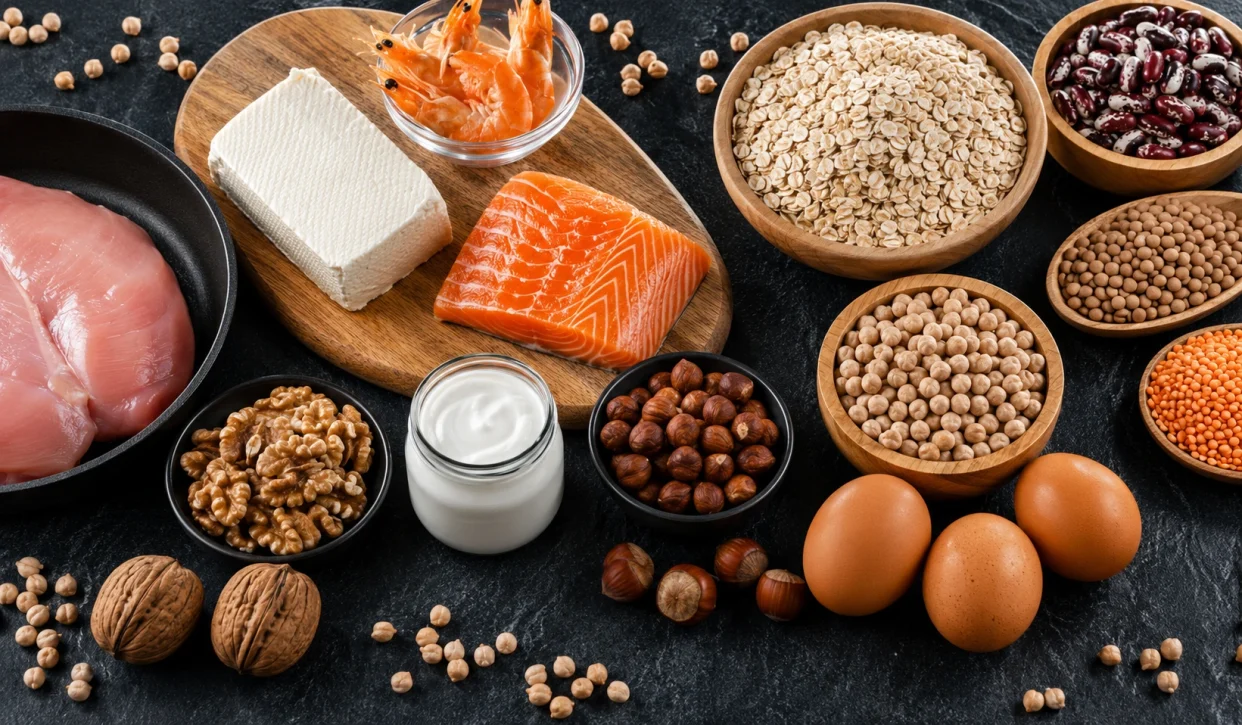
Most people can meet their daily protein requirements through whole foods such as:
- Lean meat
- Poultry
- Fish
- Eggs
- Dairy products
- Beans
- Lentils
- Soy foods
- Nuts
- Seeds
These foods provide not only protein but also essential vitamins, minerals, healthy fats, and fiber that support overall health.
When Protein Supplements Can Help
Protein powders and shakes can be convenient when it’s difficult to meet protein needs through food alone. They may be useful for busy professionals, athletes, older adults with reduced appetites, or anyone who needs additional protein after exercise.
For example, a scoop of whey or pea protein can make it easier to reach your daily protein goal when you don’t have time to prepare a meal.
However, supplements should complement a healthy diet rather than replace whole foods. Some protein powders contain added sugars, artificial ingredients, or unnecessary fillers, so it’s important to choose products with simple ingredient lists and high-quality protein sources.
Protein Quality Matters
Not all proteins are created equal. Proteins differ in amino acid profile, digestibility, concentration, and accompanying nutrients. Understanding these differences can help you choose the best protein source for your health and fitness goals.
Complete vs. Incomplete Proteins
A complete protein contains all nine essential amino acids in sufficient amounts. Animal proteins such as meat, fish, eggs, and dairy are complete proteins, as are a few plant sources like soy and quinoa.
Many plant foods—including beans, grains, and nuts—are considered incomplete proteins because they are low in one or more essential amino acids. However, eating a variety of plant protein sources throughout the day, such as rice and beans, easily provides all the essential amino acids your body needs.
See our article on Understanding Complete Proteins to learn more about complete and incomplete proteins.
Plant-Based Protein Is Only Part of the Nutrition Picture
A well-planned plant-based diet can provide all the protein your body needs, especially when you include high-quality sources such as soy, tofu, tempeh, quinoa, legumes, lentils, and a variety of nuts and seeds. Combining different plant proteins throughout the day ensures you obtain all nine essential amino acids needed for muscle repair, immune function, and overall health.
However, while meeting your protein requirements is entirely achievable on a vegan diet, protein and micronutrient nutrition are two different considerations. Certain nutrients—including vitamin B12, vitamin D, iodine, iron, selenium, and long-chain omega-3 fatty acids (EPA and DHA)—can be more challenging to obtain consistently from plant foods alone. That’s why many registered dietitians recommend that individuals following a vegan diet pay attention to both their protein intake and their micronutrient status.
If you’re following a plant-based lifestyle or considering making the transition, our comprehensive guide to the best vegan multivitamins explains which nutrients deserve special attention, how to identify high-quality supplements, and how to avoid common nutritional deficiencies while maintaining a balanced vegan diet.
Protein Concentration
Different protein sources contain different percentages of protein.
For example, lean chicken breast and tuna are highly protein-dense, while cheese and nuts contain more fat relative to their protein content. Among supplements, whey protein isolate contains a higher percentage of pure protein than whey protein concentrate, which also contains small amounts of lactose and fat.
Generally, the more processed a protein supplement is, the higher its protein concentration.
Protein Digestibility
Some proteins are digested and absorbed more quickly than others.
Whey protein is rapidly digested, making it a popular post-workout choice because amino acids reach the muscles quickly. Casein, another milk protein, digests much more slowly, providing a steady release of amino acids over several hours. This makes it a popular option before bedtime.
Plant proteins—including pea, rice, and hemp protein—digest at varying rates. While digestion speed can influence nutrient timing, total daily protein intake remains the most important factor for supporting muscle growth and recovery.
The Nutritional Package
Protein-rich foods provide much more than protein alone.
For example:
- Steak supplies protein, iron, zinc, and healthy amounts of vitamin B12.
- Beans provide protein, fiber, B vitamins, and beneficial plant compounds.
- Fatty fish deliver protein together with heart-healthy omega-3 fatty acids.
Likewise, protein supplements vary in quality. Some contain added sugars, artificial ingredients, or fillers, so it’s worth checking the nutrition label before purchasing.
Choosing the Best Protein Source
The best protein source depends on your individual goals.
If building muscle is your priority, whey protein and egg protein are excellent choices because they are naturally rich in leucine, the amino acid that plays a key role in stimulating muscle protein synthesis.
If you follow a dairy-free or vegan diet, a blend of pea and rice protein provides a complete amino acid profile comparable to many animal proteins.
For weight management, lean protein sources such as egg whites, chicken breast, fish, Greek yogurt, or lower-calorie protein powders can increase satiety while helping preserve lean muscle mass during calorie restriction.
Ultimately, the best protein is the one that fits your nutritional needs, dietary preferences, budget, and lifestyle. Later in this guide, we’ll compare whey, plant, egg, soy, and casein proteins in detail to help you choose the option that’s right for you.
What You’ll Learn in This Guide
This guide will answer virtually every major question about protein nutrition. In the sections ahead, we’ll dive into:
- Amino Acid Basics: How protein structure works and why essential amino acids matter.
- Complete vs Incomplete Proteins: What makes a protein “complete,” and how to get all amino acids.
- Comparing Sources: The pros and cons of whey, casein, plant, egg, and other proteins.
- Calculating Your Needs: How much protein you really need for your body weight, age, and goals.
- Timing Your Intake: The best times to consume protein (see our guides on protein timing and pre/post-workout shakes) to maximize recovery.
- Protein for Muscle, Aging and Weight: The role of protein in muscle gain, preserving strength with age, and managing body weight.
- Common Myths: Debunking myths about high-protein diets (e.g. kidney damage concerns) with science.
- Choosing Supplements: How to pick the right supplement if you use one, and how to incorporate it with whole foods.
- Practical Tips: Easy ways to add more protein to meals and snacks every day.
Along the way, we’ll link to many of our in-depth articles for deeper insights (for example, see Whey vs Plant Protein and Protein Shake vs Meal Replacement). Whether you’re just starting your nutrition journey or fine-tuning your diet, this guide will give you the evidence-based foundation you need.
Now that we’ve covered the essentials, let’s begin by looking more closely at what protein actually is and how amino acids work in the body.



Pingback: Best Multivitamin for Women Over 40: A Practical Guide - Nutra Insight