
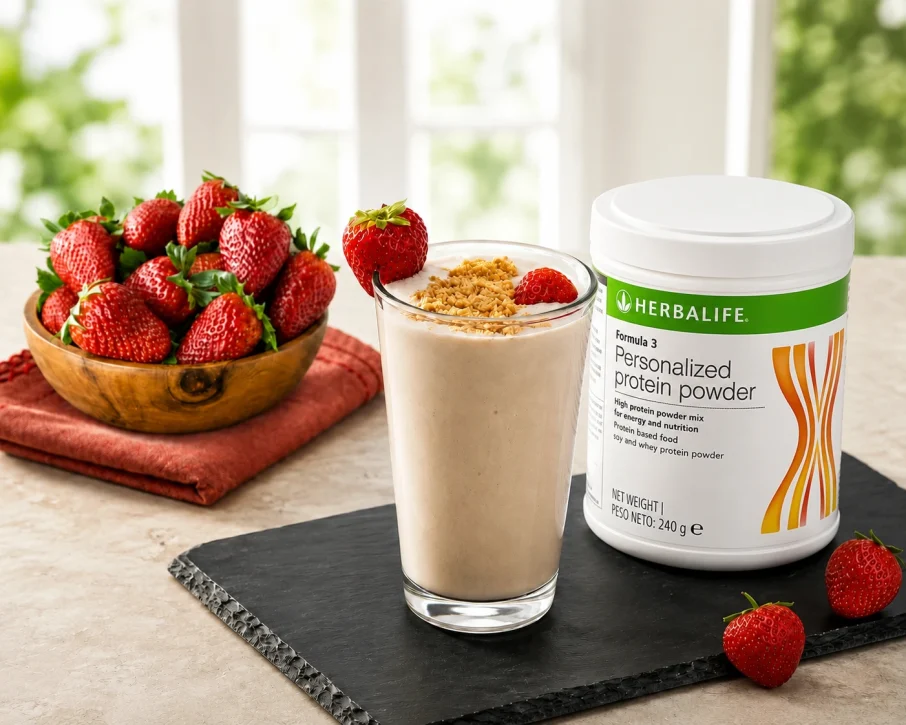

Executive Summary: Herbalife Personalized Protein Powder (also known as Formula 3) is an unflavored protein supplement made from whey protein concentrate and soy protein isolate. Each ~6 g scoop provides about 5 g of protein and only ~20–23 calories. It’s designed to be mixed into Herbalife Formula 1 shakes or other foods to boost protein intake without changing taste. Key features are its high protein content, virtually no sugar, and neutral flavor (making it versatile). Possible downsides include allergens (contains milk and soy) and relatively high cost. In this review we examine its nutrition facts, ingredients, evidence-based benefits (muscle maintenance, satiety, etc.), potential risks (allergies, kidney/liver cautions), usage tips, plus comparisons to other protein powders.
What Is Personalized Protein Powder?
Herbalife’s Personalized Protein Powder (PPP) is a concentrated protein supplement. It’s essentially a blend of whey protein concentrate (from milk) and soy protein isolate, designed to be flavorless and easily mixable. Unlike full meal-replacement shakes, PPP is not intended to replace meals; instead, it “personalizes” your nutrition by adding extra protein to shakes, oatmeal, soups, yogurt, pancakes, etc. (Herbalife often calls it “Formula 3 Personalised Protein Powder” on labels.) Since both whey and soy are complete proteins containing all 9 essential amino acids, PPP provides a high-quality protein boost. As Herbalife notes, it helps keep you from getting hungry between meals.
Key Features
- High-Quality Protein Blend: Each scoop (~6 g) delivers ~5 g of protein from whey concentrate and soy isolate. Both are rich in essential amino acids.
- Low-Calorie, Low Sugar: Only ~20–23 calories per 6 g scoop. Virtually no fat (0.3 g) and negligible carbs/sugars (~0.1–0.2 g each).
- Unflavored & Versatile: It has a neutral taste, so it can be stirred into virtually any food or drink without altering flavor. Popular uses: adding to a Formula 1 shake, protein smoothies, oatmeal, soup, or baked recipes.
- Mixability: Fine powder that dissolves easily in liquids (no clumps).
- Convenient Satiety Boost: Increases protein (and thus satiety) in meals and snacks, potentially helping control appetite.
- No GMO/Wheat/Lactose (Mostly): The label lists only whey, soy, flavor, and an anti-caking agent (silicon dioxide). It contains no added sugar, no gluten. (However, note it does contain milk and soy.)
Nutrition Facts (Typical per Serving)
The table below shows the nutrition per one level scoop (6 g) and per 100 g, based on Herbalife’s label:
| Nutrient | Per 6 g (1 scoop) | Per 100 g |
|---|---|---|
| Energy | 97 kJ (23 kcal) | 1611 kJ (385 kcal) |
| Total Fat | 0.3 g | 4.3 g |
| • Saturates | 0.1 g | 1.5 g |
| Carbohydrate | 0.2 g | 3.7 g |
| • Sugars | 0.1 g | 0.9 g |
| Protein | 5.0 g | 83.3 g |
| Salt | 0.10 g | 2.1 g |
Source: Herbalife product label. Values may vary slightly by country.
PPP is extremely lean – almost all calories are from protein. Its 5 g protein on 23 kcal serving means a protein content of ~83% by weight, far higher than typical protein powders. This also means no significant sugar or fat to speak of. Such a high “protein purity” is similar to a whey isolate.
Ingredients
According to the label, Personalized Protein Powder contains:
- Whey protein concentrate (from milk) – ~75% of the blend. Whey concentrate is a high-quality protein but retains a small amount of lactose.
- Soy protein isolate – ~25% of the blend. Soy protein isolate is a complete vegetable protein.
- Flavourings (natural flavor) – to keep taste neutral/pleasant.
- Silicon dioxide – an anti-caking agent to prevent clumping.
Allergens: Contains milk and soy. (Herbalife emphasizes its proteins come from these sources.) There are no added sugars or GMOs listed. It is gluten-free and (apart from the trace lactose) essentially carbohydrate-free.
Evidence-Based Benefits
The benefits of PPP largely stem from its protein content and composition:
- Boosts Muscle Maintenance: Dietary protein is essential for muscle repair and growth. Each 5 g scoop contributes toward daily protein needs. This is useful for people exercising or trying to preserve lean mass while dieting. (Studies show higher protein diets help retain muscle mass during weight loss.) Because whey and soy are both complete proteins, PPP supplies all essential amino acids, important for muscle protein synthesis.
- Increases Fullness (Satiety): Protein is more satiating than fats or carbs. A higher-protein meal can keep you feeling full longer (this is well-supported by research). For example, clinical evidence shows protein increases satiety and can support weight loss efforts. Adding PPP to a shake or snack helps curb hunger between meals.
- Low-Calorie Protein: At only ~20 kcal per scoop, PPP allows you to boost protein intake with minimal extra calories. This is beneficial for weight management. Instead of eating extra animal protein (which adds calories), one can simply stir a scoop of PPP into foods.
- Neutral Taste & Versatility: The unflavored blend can be used in many ways without changing the flavor profile. It can easily be mixed into water, milk, coffee, smoothies, yogurt, cereal, soups, etc., making it a convenient “protein booster.” This versatility helps consumers add protein to meals where they might otherwise forget.
- Nutrient-Rich Blend: Whey protein contains a good amount of branched-chain amino acids (BCAAs) which support muscle recovery, while soy protein contains heart-healthy components (like isoflavones). Soy is also known to lower LDL cholesterol. PPP’s blend thus has complementary benefits of both dairy and plant proteins.
Potential Risks / Side Effects
For most healthy adults, PPP is safe when used as directed. However, consider the following:
- Allergies: Contains milk and soy. Anyone with a milk/dairy allergy or soy allergy should avoid this product. Whey concentrate has trace lactose, so even lactose-intolerant people may experience gas or bloating.
- Digestive Discomfort: Some users of protein powders report bloating or gastrointestinal upset. Whey concentrate (not isolate) can cause mild symptoms in sensitive individuals. Soy can also cause gas in some people. Start with a small amount to test tolerance.
- Kidney Considerations: Because PPP is high-protein, those with pre-existing kidney disease should exercise caution. In general, healthy individuals have no issue with increased protein, but people with chronic kidney disease are advised to limit protein intake. The Healthline review notes that “many Herbalife products are high in protein, which could impair kidney function among those with kidney disease”. If you have impaired kidney function or are on a doctor-prescribed low-protein diet, consult your physician before using PPP.
- Liver and Other Concerns: Some case reports have linked herbal supplements (and multi-product regimens) to rare liver injury. While PPP itself is just protein (no added herbs or stimulants), if you use PPP along with multiple other supplements, be aware that any severe liver damage reported in Herbalife users was usually in the context of high-dose or combined product use. (Nevertheless, always follow recommended servings.)
- Pregnancy & Nursing: There is no specific data on PPP in pregnancy, but moderate protein intake is generally safe. As a precaution, pregnant or breastfeeding individuals should consult a healthcare provider before adding any supplement, including protein powders.
- Caloric Surplus: Protein powders are nutrient supplements, not magic weight-loss solutions. Consuming PPP on top of a calorie-excess diet could contribute to weight gain. Use it to supplement within your calorie targets.
How to Use It
Herbalife PPP is easy to incorporate:
- Add to Shakes: One scoop (about 6 g) is designed to be mixed into a Formula 1 shake (or any other shake). For a thicker, more protein-rich shake, simply stir a level or heaping scoop of PPP into your prepared shake. This is a common practice among Herbalife users.
- Mix into Foods: Stir PPP into yogurt, oatmeal/cereal, pancake or waffle batter, soups, sauces, or pudding. Because it’s unflavored, it won’t noticeably change the taste or texture if mixed well.
- Smoothies: Blend PPP with fruits and vegetables in smoothies. It blends smoothly with liquids.
- Beverages: It can even be added to coffee, tea, or just a glass of water. Use a shaker bottle or whisk to mix clumps.
- Recommended Servings: The standard serving is 1 level tablespoon (approx. 6 g), yielding ~5 g protein. Herbalife literature suggests up to 4 scoops per day (total ~24 g protein) divided among meals, but usage should match personal protein needs. Check your diet: one scoop on a morning shake and one on an afternoon snack is common. Always measure by the scoop or kitchen scale for accuracy.
- Timing: PPP can be used any time of day – morning, pre/post-workout, or evening. Since it’s unflavored and low-calorie, it won’t spike blood sugar, making it acceptable for consumption before bed if more protein is needed.
- Blend Tips: For best mixability, add PPP to liquid slowly and whisk or shake vigorously. If dissolving in thicker foods, stir thoroughly. Drinking plenty of water with extra protein is a good idea to aid digestion.
Pros & Cons
| Pros | Cons |
|---|---|
| Provides a convenient 5 g protein per scoop | Contains milk and soy (allergenic) |
| Neutral taste – mixes into foods/shakes easily | Relatively expensive per gram of protein |
| Very low calorie and zero-added sugar | Not a complete meal; must be part of a balanced diet |
| High-quality blend (whey + soy) – complete amino profile | Some users report bloating (lactose/soy) |
| Helps increase satiety (feeling full) | Requires measuring scoop (small serving size) |
| Gluten-free, no artificial colors or sweeteners | Smaller scoop means it’s easy to miss or under-measure |
Pros: PPP is a very lean, high-protein boost. Its neutral flavor means you can add it to many recipes (e.g. shakes, oatmeal, yogurt) without a funny taste. Nutritionally, it delivers 5 g protein for only ~20 calories, so it’s ideal for increasing protein without adding sugar or fat. The blend of whey and soy covers all essential amino acids, supporting muscle maintenance and recovery.
Cons: The main drawbacks are allergens and cost. It contains both milk and soy, so anyone with those allergies cannot use it. Also, because each scoop is only 6 g, you need multiple scoops to get meaningful protein (some products give ~20 g per scoop). This makes PPP more expensive per gram of protein than many whey isolates. It is also not a meal replacement – you must still eat actual food for a full nutrient profile. A few users might experience digestive discomfort (from lactose in whey or fiber in soy).
Who It’s Best For
- Herbalife Shake Users: If you already use Herbalife Formula 1 or other shakes, PPP is designed for you. It easily “personalizes” those shakes by upping the protein. (See our [Herbalife Formula 1 Shake Review] for more on combining these.)
- People Needing More Protein: Anyone finding it hard to reach their daily protein goals (e.g. athletes, active adults, vegetarians) can benefit. PPP helps older adults or those on calorie-restricted diets meet protein needs without extra calories.
- Weight Management: Individuals on a calorie-restricted diet can add PPP to increase fullness and protect muscle mass during weight loss (when combined with exercise).
- Flexible Eaters: Because it’s unflavored, PPP suits those who dislike sweet-tasting powders or want to add protein without altering a food’s flavor.
- Nutritional Supplements: It’s a good option for health-conscious consumers who want to fortify foods with protein (for example, mixing into a morning smoothie or baked goods).
Who Should Consult a Doctor
Before using PPP, the following people should seek medical advice:
- Chronic Kidney Disease: As mentioned, high protein intake may be problematic if you have kidney issues. Your doctor or dietitian can advise on safe protein levels.
- Liver Problems: Though PPP itself is unlikely to harm the liver, some multi-supplement regimens have been linked to liver injury. If you have a history of liver disease or take many supplements, talk to your doctor first.
- Pregnant or Nursing Women: Consult a healthcare provider for any new supplement. (Standard protein needs can often be met via diet.)
- Medication Interactions: Protein supplements are generally safe, but if you are on medication or have a medical condition (diabetes, gout, etc.), double-check with a physician that increased protein is okay for you.
- Allergies and Intolerances: If you have severe milk or soy allergies, even trace amounts can be dangerous. Do not use PPP if allergic. Those sensitive to lactose or soy may want to get an okay from a doctor or try a small test dose.
Comparison to Alternatives
How does Personalized Protein Powder stack up against other options? The table below compares PPP to a typical whey protein isolate, a plant-based (pea) protein, and a generic unbranded protein powder. These are illustrative examples – actual products vary by brand:
| Product | Protein Source | Typical Serving Size | Protein per Serving | Calories per Serving | Notable Highlights |
|---|---|---|---|---|---|
| Personalized Protein Powder (Herbalife) | Whey protein concentrate, soy isolate | 6 g (~1 tbsp) | 5.0 g | ~23 kcal | Ultra-lean (≈83% protein by wt), unflavored, no sugar |
| Whey Protein Isolate (example) | Whey (dairy) isolate | ~30 g (1 rounded scoop) | ~24–25 g | ~110–120 kcal | Very high protein content, low lactose; often plain or flavored |
| Plant-Based Protein (Pea) | Pea protein isolate | 30 g | ~24–27 g | ~120 kcal | Vegan, soy/dairy-free; pea is a complete protein (but lower in methionine) |
| Generic Blend (store brand) | Varies (e.g. soy/whey mix) | ~30 g | ~15–20 g (est.) | ~80–100 kcal | Usually cheaper; quality/labeling can vary; may contain fillers or lactose |
- Whey Isolate: Typical whey isolates deliver about 25 g protein per 30 g scoop, with minimal fat/carb, and ~110 kcal. This makes them more protein-dense than PPP (which gives only 5 g protein per 6 g). Whey isolate is dairy-based and usually lactose-free, so it’s a good choice if dairy isn’t an issue and you want more protein per serving.
- Plant Protein (Pea): A high-quality pea isolate (like Naked Pea) often provides ~27 g protein at 120 kcal. Plant proteins are typically vegan, hypoallergenic, and complete. The example above has 0 added sugar and only ~2 g carbs. Pea protein is low in some amino acids (like methionine), but eaten as part of a varied diet it works well for most people.
- Generic Protein Powder: Many local or generic powders mix soy, whey, or other proteins. They often have ~15–20 g protein per 30 g serving, with ~80–100 kcal. They tend to be less expensive, but quality can vary (some have more filler, sugar, or carbs). For example, a cheap soy-whey blend might be only ~60% protein by weight.
In summary, PPP’s advantage is its convenience and purity: it gives you a quick protein boost in a tiny scoop (suitable for adding to shakes and food). However, because it’s so concentrated, you pay more per gram of protein than you would with a standard whey or pea powder. If you need large amounts of protein, a whey isolate or bulk plant powder might be more economical.
Frequently Asked Questions
Q: Is Herbalife Personalized Protein Powder a meal replacement?
A: No. PPP is a supplement, not a complete meal. It lacks enough calories, fiber, and micronutrients to be a meal on its own. It’s meant to supplement your diet (for example, added to a Formula 1 shake) to increase protein.
Q: How should I mix Personalized Protein Powder?
A: Use a shaker bottle or blender. One level scoop (~6 g) is stirred or shaken into ~150 ml of water, milk, or other beverage. For best results, add it to liquid and mix briskly. It dissolves easily, so clumping is minimal if mixed well. You can also mix it into thicker foods by stirring thoroughly.
Q: Does PPP taste like anything?
A: It is designed to have a very mild, neutral flavor (some say “slightly milky”), so it shouldn’t noticeably change the taste of what you mix it in. You might taste a very faint grainy or milky hint if taken with just water. Many users prefer to add it to flavored shakes, smoothies, or coffee where any subtle taste is masked.
Q: Can I take more than one scoop at a time?
A: Yes. Some people add 2–4 scoops (12–24 g protein) to a single shake or meal. Just remember that multiple scoops still yield modest calories (e.g. 4 scoops ≈ 20 g protein, ~80–92 kcal). Always stay within your daily protein goals.
Q: Is Personalized Protein Powder good for weight loss?
A: Indirectly, yes. It helps you feel full and preserves muscle during dieting. Protein generally increases satiety and thermic effect, which can aid weight loss. However, weight loss ultimately depends on a calorie deficit. PPP by itself does not burn fat – it should be used as part of a controlled diet and exercise plan.
Q: Can diabetics use PPP?
A: Yes, since it contains virtually no sugar and very low carbs, it is low-glycemic and should have minimal impact on blood glucose. However, diabetic individuals should always monitor their blood sugar response when adding any supplement.
Q: Is PPP vegetarian/vegan?
A: No, because it contains whey (from milk). It’s suitable for vegetarians who consume dairy, but not for vegans or those strictly avoiding animal products.
Q: How many scoops should I take daily?
A: It depends on your protein needs. Each scoop is 5 g protein. If you’re using it to reach a target (e.g. 50–60 g extra protein per day), you might take 5–12 scoops spread through the day. Most labels recommend up to 4 servings per day for general use. Track your total protein intake (diet + supplements) to stay in a healthy range.
Final Verdict
Herbalife Personalized Protein Powder is a useful protein booster for the right audience. It excels as a clean, concentrated way to add protein to shakes and meals – especially for Herbalife Formula 1 users or anyone needing a portable protein supplement. Its neutral flavor and low calories are big advantages. The main trade-offs are the price (it’s costlier per gram of protein) and its allergen content (milk/soy). If you need moderate extra protein and prefer an unflavored boost, PPP is a convenient choice.
However, if you need large protein amounts, you might save money with a larger-tub whey isolate or plant-based powder. Overall, we find PPP to be safe and effective for healthy adults who want to personalize their diet with extra protein. It should be used as part of a balanced diet – no supplement alone will replace good food habits.
Continue reading : Herbalife Products Zambia – Complete Guide, Best Protein Shake for Weight Loss, Protein Shake vs Meal Replacement Shake, and How Many Scoops of Protein Powder Should You Take?.
This review relies on Herbalife’s official label and published health resources. It provides an evidence-based look at Personalized Protein Powder for informed decision-making.

Pingback: Herbalife Products Zambia: Complete Guide (2026) - Nutra Insight
Pingback: Herbalife Tri Blend Select: Review (2026)
Pingback: Bioniq GO Personalized Supplement: Review and Guide - Nutra Insight